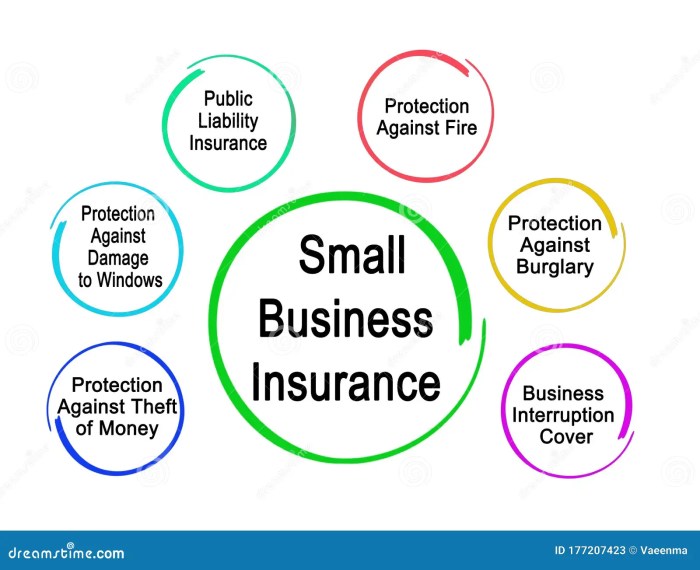
Affordable liability insurance for small business – In the dynamic world of small businesses, affordable liability insurance emerges as a lifeline, shielding them from unforeseen risks and financial setbacks. This insurance acts as a protective umbrella, ensuring that entrepreneurs can operate with confidence, knowing that their assets and reputation are secure. Liability insurance for small businesses comes in various forms, tailored to specific industries and risks. Common perils faced by small businesses include customer injuries, property damage, and legal disputes. Affordable liability insurance provides a safety net, mitigating these risks and empowering businesses to thrive. Overview of Affordable Liability Insurance for Small Businesses Liability insurance is a crucial safety net for small businesses, protecting them from financial losses resulting from lawsuits, claims, or accidents. It safeguards the business’s assets, reputation, and financial stability, allowing it to operate with confidence. Types of Liability Insurance Various types of liability insurance cater to specific risks faced by small businesses: General Liability Insurance:Covers common liability risks such as bodily injury, property damage, and advertising injuries. Professional Liability Insurance:Protects professionals from claims of negligence or errors in their services. Product Liability Insurance:Covers businesses against claims arising from injuries or damages caused by their products. Benefits of Affordable Liability Insurance Liability insurance is a vital protection for small businesses against financial risks arising from legal claims. It safeguards businesses from potential lawsuits, settlements, and judgments, offering peace of mind and financial stability. Affordable liability insurance provides several key benefits that can significantly impact small businesses: Protection from Financial Losses Liability insurance covers legal expenses, settlements, and judgments resulting from lawsuits alleging negligence, bodily injury, or property damage. Without liability insurance, small businesses could face devastating financial consequences that could cripple their operations or even force them to close. Maintenance of Customer Trust Liability insurance demonstrates to customers that a business is responsible and takes its legal obligations seriously. It instills confidence in customers and helps build strong business relationships. Case Studies A small restaurant was sued by a customer who slipped and fell on the wet floor. The restaurant’s affordable liability insurance covered the legal expenses and settlement, preventing the business from facing financial ruin. A construction company was held liable for an accident on a job site. The company’s liability insurance covered the costs of medical expenses and legal fees, allowing the business to continue operating without interruption. Factors to Consider When Choosing Affordable Liability …
Read More »Investment
General Liability and Workers’ Comp Insurance: Essential Protection for Small Businesses
General liability and workers comp insurance for small business – In the competitive landscape of small businesses, general liability and workers’ comp insurance emerge as crucial safeguards, providing a safety net against unforeseen circumstances that can threaten financial stability and employee well-being. This comprehensive guide delves into the intricacies of these insurance policies, empowering small business owners with the knowledge to make informed decisions and navigate the complexities of risk management. As we embark on this journey, we will explore the types of coverage available under general liability insurance, unravel the legal requirements and benefits of workers’ compensation insurance, and draw comparisons between these two essential policies. Furthermore, we will delve into cost considerations, offering tips to optimize premiums and identify affordable options. Finally, we will provide a step-by-step guide to obtaining insurance, emphasizing the importance of seeking professional guidance. General Liability Insurance General liability insurance is a type of business insurance that protects small businesses from financial losses resulting from bodily injury or property damage caused by their operations, products, or services. It is crucial for small businesses to have general liability insurance in place, as it can help cover the costs of legal defense, settlements, and judgments in the event of a covered claim. Types of Coverage Available General liability insurance typically provides coverage for the following: Bodily injury to third parties Property damage to third parties Personal injury, such as libel, slander, or defamation Advertising injury, such as copyright infringement or trademark infringement Importance of General Liability Insurance for Small Businesses General liability insurance is essential for small businesses because it can help protect them from financial ruin in the event of a lawsuit. Without general liability insurance, small businesses could be forced to pay for legal defense costs, settlements, and judgments out of their own pockets, which could quickly deplete their financial resources. Examples of General Liability Claims That Small Businesses May Face Small businesses may face a variety of general liability claims, including: A customer slips and falls on a wet floor in a retail store. A product manufactured by a small business causes injury to a consumer. A small business is sued for copyright infringement after using a copyrighted image in its marketing materials. Workers’ Compensation Insurance Workers’ compensation insurance is a type of insurance that provides benefits to employees who are injured or become ill due to their work. It is a legal …
Read More »Unveiling the Secrets of Small Group Health Insurance Quotes: A Comprehensive Guide
Embark on a journey to unravel the complexities of small group health insurance quotes. In this comprehensive guide, we’ll navigate the intricacies of this crucial topic, empowering you to make informed decisions for your group’s healthcare needs. From defining eligibility criteria to comparing quotes and selecting the optimal plan, we’ll provide you with the knowledge and tools you need to secure the best coverage at the most competitive rates. Understanding Small Group Health Insurance Small group health insurance is a type of health insurance that is designed for small businesses with 2 to 50 employees. It is a cost-effective way for small businesses to provide health coverage to their employees, and it can help to attract and retain employees. To be eligible for small group health insurance, a business must have at least 2 employees and it must be located in the United States. The business must also be able to provide proof of income and financial stability. Types of Small Group Health Insurance Plans There are a variety of different types of small group health insurance plans available. The most common types of plans include: Health Maintenance Organizations (HMOs): HMOs are a type of health insurance plan that provides comprehensive coverage for a set monthly premium. HMOs typically have a network of doctors and hospitals that you must use for your care. Preferred Provider Organizations (PPOs): PPOs are a type of health insurance plan that provides coverage for a network of doctors and hospitals. You can also see doctors and hospitals outside of the network, but you will have to pay more for these services. Point-of-Service (POS) Plans: POS plans are a type of health insurance plan that combines features of HMOs and PPOs. You can choose to see doctors and hospitals within the network or outside of the network, but you will have to pay more for out-of-network services. Exclusive Provider Organizations (EPOs): EPOs are a type of health insurance plan that is similar to HMOs. However, EPOs typically have a smaller network of doctors and hospitals, and you cannot see doctors or hospitals outside of the network. Benefits of Small Group Health Insurance There are a number of benefits to having small group health insurance. These benefits include: Affordability: Small group health insurance is a more affordable option than individual health insurance. Comprehensive coverage: Small group health insurance plans typically provide comprehensive coverage for a wide range …
Read More »Comprehensive General Liability Insurance: A Shield for Small Businesses
Comprehensive general liability insurance for small business – In the dynamic and often unforgiving landscape of small business, comprehensive general liability insurance stands as a beacon of protection, safeguarding against a myriad of potential risks. It’s the backbone of financial security, shielding businesses from costly claims and safeguarding their reputation, ensuring peace of mind and empowering entrepreneurs to navigate the challenges of growth. This in-depth guide delves into the intricacies of comprehensive general liability insurance for small businesses, providing a comprehensive overview of its benefits, policy options, claims process, cost considerations, and more. Whether you’re a seasoned entrepreneur or just starting out, this resource will equip you with the knowledge and insights you need to make informed decisions about protecting your business. Comprehensive Coverage Comprehensive general liability insurance provides a broad spectrum of protection against a wide range of risks that businesses face in their daily operations. It acts as a safety net, safeguarding businesses from financial losses and legal repercussions resulting from third-party claims. This comprehensive coverage extends to various scenarios, ensuring that businesses are equipped to handle potential liabilities effectively. It encompasses claims related to: Bodily Injury Injuries sustained by customers, visitors, or employees on the business premises or during business activities. Medical expenses, lost wages, and pain and suffering resulting from accidents. Property Damage Damage to property belonging to third parties, such as customers’ belongings or neighboring buildings. Repairs, replacements, and compensation for damaged property. Personal and Advertising Injury Libel, slander, defamation, and copyright infringement claims. Damages to reputation, loss of business, and legal expenses. Legal Defense Costs, Comprehensive general liability insurance for small business Coverage for legal fees, court costs, and other expenses incurred in defending against third-party lawsuits. Representation by experienced legal counsel to protect the business’s interests. Adequate comprehensive general liability coverage is crucial for small businesses. It provides peace of mind, knowing that they are financially protected against unforeseen events and can continue operating without being crippled by unexpected liabilities. Benefits for Small Businesses Comprehensive general liability insurance is a vital safeguard for small businesses, providing a robust shield against financial losses and reputational damage. It offers peace of mind to business owners, allowing them to focus on growth and success. Financial Protection Liability insurance covers the costs associated with legal claims, such as bodily injury, property damage, or advertising injuries. Without this coverage, a single lawsuit could cripple a small business, wiping …
Read More »Local Small Business Insurance: Protect Your Enterprise, Secure Your Future
In the vibrant tapestry of local commerce, small businesses are the threads that weave together the fabric of our communities. Local small business insurance serves as an essential safeguard, protecting these vital enterprises from unforeseen risks and ensuring their continued success. By understanding the coverage options, cost considerations, and benefits of insurance, small business owners can make informed decisions that shield their ventures and empower them to thrive. Navigating the intricacies of insurance can be daunting, but with the right guidance, small business owners can tailor their coverage to their unique needs, ensuring that their businesses are adequately protected without breaking the bank. This comprehensive guide delves into the essential aspects of local small business insurance, empowering entrepreneurs with the knowledge they need to make informed decisions that safeguard their livelihoods and pave the way for future growth. Coverage Options Local small businesses face a myriad of risks that can jeopardize their operations and financial stability. To mitigate these risks, it is crucial for businesses to obtain tailored insurance coverage that meets their specific needs. Various types of coverage are available, each designed to protect against distinct perils. The most fundamental coverage is general liability insurance, which safeguards businesses against claims arising from bodily injury or property damage caused by their operations, products, or services. It is essential for businesses that interact with the public or have physical premises. Property insuranceprotects the physical assets of a business, including buildings, equipment, inventory, and business records. It covers losses resulting from fire, theft, vandalism, and other covered perils. Businesses should carefully assess the value of their assets to ensure adequate coverage. Business interruption insurancecompensates businesses for lost income and expenses incurred during a temporary closure or disruption of operations. It is particularly important for businesses that rely on ongoing revenue streams. Errors and omissions (E&O) insuranceprotects professionals, such as accountants, lawyers, and consultants, against claims alleging negligence or errors in their services. It is essential for businesses that provide professional advice or services. Cyber liability insurancesafeguards businesses against financial losses and legal expenses resulting from data breaches, cyberattacks, or other cyber-related incidents. It is increasingly important in today’s digital age. In addition to these core coverages, local small businesses may also consider additional coverage options tailored to their specific industry or operations, such as commercial auto insurance, workers’ compensation insurance, and directors and officers (D&O) insurance. It is crucial for businesses to …
Read More »Small Business Insurance for Plumbers: Protecting Your Business, Reputation, and Finances
Small business insurance for plumbers – When it comes to protecting your plumbing business, small business insurance is not just an option—it’s a necessity. From unexpected expenses to costly lawsuits, insurance provides a safety net that can keep your business afloat in the face of unforeseen events. In this comprehensive guide, we’ll delve into the intricacies of small business insurance for plumbers, exploring the different coverage options available, the benefits it offers, and the factors that affect your premiums. We’ll also provide tips on choosing the right insurance provider and managing your policies effectively. Coverage Options Small business insurance for plumbers offers a range of coverage options to protect your business from various risks and liabilities. Understanding the different types of coverage available and their respective perils is crucial to ensure adequate protection. The most common types of coverage include: General Liability Insurance Covers bodily injury, property damage, or personal injury claims caused by your business operations. Examples: Customer slips and falls in your office, accidental damage to a client’s property during repairs. Professional Liability Insurance Protects against claims of negligence, errors, or omissions in your professional services. Examples: Misdiagnosis, improper installation, faulty advice leading to damages. Commercial Property Insurance Covers your business premises, equipment, and inventory against damage or loss due to fire, theft, or natural disasters. Examples: Office building, tools, spare parts. Business Interruption Insurance Provides financial protection if your business is forced to close or operate at a reduced capacity due to covered events. Examples: Natural disasters, fires, equipment breakdown. Workers’ Compensation Insurance Mandatory in most states, covers medical expenses and lost wages for employees injured or disabled on the job. Examples: Back injuries, falls, equipment-related accidents. It’s essential to review the coverage limits and exclusions carefully to ensure your policy meets your specific business needs. Understanding these options empowers you to make informed decisions and safeguard your business against potential financial risks. Benefits of Small Business Insurance for Plumbers Securing comprehensive insurance coverage is paramount for plumbing businesses to safeguard their financial well-being and maintain their reputation. By mitigating unforeseen expenses and providing legal protection, insurance empowers plumbers to operate with confidence and peace of mind. Insurance acts as a financial safety net, covering unexpected expenses that can arise during the course of business. Whether it’s property damage caused by a burst pipe or medical expenses resulting from an on-site accident, insurance ensures that plumbers are …
Read More »Small Business Insurance Online Quotes: Empowering Your Business
In the realm of small business ownership, securing the right insurance coverage is paramount. Enter the world of small business insurance online quotes, a transformative tool that empowers entrepreneurs with the knowledge and resources to make informed decisions about their insurance needs. Online quotes offer a wealth of benefits, from saving time and money to comparing multiple options with ease. As you navigate the complexities of small business insurance, this comprehensive guide will illuminate the path, ensuring you find the perfect coverage for your enterprise. Types of Small Business Insurance Every small business is different, and so are its insurance needs. There are many different types of insurance available to small businesses, each designed to protect against a specific risk. It is important to understand the different types of insurance available and to choose the ones that are right for your business. Here is a table that summarizes the different types of insurance available to small businesses: Type of Insurance What it Covers Benefits Examples Property Insurance Physical assets, such as buildings, equipment, and inventory Protects against losses due to fire, theft, vandalism, and other covered perils Commercial property insurance, business interruption insurance Liability Insurance Legal claims against the business for bodily injury or property damage Protects against financial losses due to lawsuits General liability insurance, professional liability insurance Workers’ Compensation Insurance Medical expenses and lost wages for employees who are injured on the job Required by law in most states Workers’ compensation insurance Business Auto Insurance Vehicles owned or leased by the business Protects against financial losses due to accidents, theft, and other covered perils Commercial auto insurance Benefits of Getting Online Quotes Obtaining online quotes for small business insurance offers numerous advantages over traditional methods. It empowers businesses to explore multiple options, compare coverage, and secure the best rates with ease and efficiency. Unlike traditional methods that involve time-consuming phone calls or in-person meetings, online quotes streamline the process, saving both time and effort. Businesses can conveniently access quotes from various insurance providers within minutes, eliminating the need for extensive research and multiple appointments. Cost Savings Online quotes often lead to significant cost savings for small businesses. By comparing multiple quotes, businesses can identify the most competitive rates and avoid overpaying for insurance. Additionally, online quotes typically eliminate the need for brokers or agents, further reducing overall insurance expenses. Factors to Consider When Getting Quotes When comparing online …
Read More »Individual Business Insurance: Protecting Your Enterprise
Individual business insurance empowers entrepreneurs and small business owners with tailored protection against financial risks, ensuring their ventures thrive amidst uncertainty. From comprehensive coverage to tailored policies, individual business insurance offers a safety net that safeguards your assets, employees, and reputation, enabling you to navigate the challenges of entrepreneurship with confidence. Types of Individual Business Insurance Individual business insurance provides coverage for self-employed individuals and small business owners. There are various types of individual business insurance available, each offering unique protection against specific risks and liabilities. General Liability Insurance General liability insurance protects businesses from claims of bodily injury, property damage, or personal injury caused by their products, services, or operations. It covers legal defense costs, medical expenses, and settlements or judgments. Professional Liability Insurance Professional liability insurance, also known as errors and omissions (E&O) insurance, protects businesses from claims of negligence, mistakes, or omissions in their professional services. It covers legal defense costs and settlements or judgments. Property Insurance Property insurance protects business property, such as buildings, equipment, and inventory, from damage or loss due to events like fire, theft, or natural disasters. It covers the cost of repairs or replacements. Business Interruption Insurance Business interruption insurance protects businesses from loss of income and expenses if their operations are disrupted due to a covered event, such as a fire or natural disaster. It provides coverage for ongoing expenses and lost profits. Workers’ Compensation Insurance, Individual business insurance Workers’ compensation insurance provides benefits to employees who suffer work-related injuries or illnesses. It covers medical expenses, lost wages, and disability benefits. Health Insurance Health insurance provides coverage for medical expenses for employees and their families. It can include coverage for doctor visits, hospital stays, and prescription drugs. Life Insurance Life insurance provides a financial benefit to the beneficiaries of the insured person in the event of their death. It can help cover funeral expenses, outstanding debts, or provide financial support for family members. Factors to Consider When Choosing Individual Business Insurance Selecting the right individual business insurance is crucial to protect your business and financial well-being. Several factors must be considered to ensure your policy meets your specific needs and provides adequate coverage. Assessing Risk and Determining Coverage Needs Identifying and assessing potential risks to your business is paramount. Consider the nature of your business operations, industry-specific hazards, and any unique vulnerabilities. Determine the extent of coverage required to protect your …
Read More »Small Business Workers’ Compensation Insurance: Comprehensive Coverage for Your Workforce
Small business workers compensation insurance companies – Navigating the complexities of workers’ compensation insurance for small businesses can be a daunting task. Dive into the realm of top insurance providers, coverage options, cost factors, claims management, and emerging market trends. Empower your business with the knowledge to protect your employees and safeguard your operations. Company Profiles: Small Business Workers Compensation Insurance Companies In the realm of small business workers’ compensation insurance, a select group of companies stands out, each with its distinct strengths and reputation. To guide your decision-making, we’ve compiled a comprehensive list of the top players in this industry, providing insights into their market presence, financial stability, and customer satisfaction ratings. Market Share Zurich: A global insurance giant with a commanding market share in workers’ compensation insurance, Zurich boasts a wide network and a reputation for reliability. Liberty Mutual: Known for its competitive rates and extensive coverage options, Liberty Mutual has a significant market presence and a loyal customer base. Travelers: A leading provider with a strong focus on small businesses, Travelers offers tailored policies and personalized service. The Hartford: With a long-standing reputation in the insurance industry, The Hartford is recognized for its financial stability and comprehensive workers’ compensation offerings. Chubb: Catering to small businesses with specialized needs, Chubb provides tailored coverage and risk management services. Financial Stability Ratings AM Best:As the leading credit rating agency for the insurance industry, AM Best’s ratings provide an independent assessment of a company’s financial strength and ability to meet its obligations. Fitch Ratings:Another reputable credit rating agency, Fitch Ratings evaluates insurers’ financial stability and creditworthiness. Moody’s Investors Service:Moody’s is a global credit rating agency that assesses insurers’ financial strength and credit risk. Customer Satisfaction Scores J.D. Power:A renowned market research firm, J.D. Power conducts surveys to measure customer satisfaction with insurance companies, including their workers’ compensation offerings. National Association of Insurance Commissioners (NAIC):The NAIC compiles data on consumer complaints against insurance companies, providing insights into customer satisfaction levels. Better Business Bureau (BBB):The BBB collects and reviews customer feedback, assigning ratings to businesses based on their responsiveness, transparency, and customer service. Coverage Options Small businesses can choose from various workers’ compensation coverage options to protect their employees and their operations. Each coverage type offers unique benefits and limitations, so it’s crucial to understand them before making a decision. Workers’ compensation insurance typically covers medical expenses, lost wages, and rehabilitation costs for …
Read More »How to stay accountable to a new exercise plan
Sticking to an exercise plan can be challenging, especially when life gets busy and motivation wanes. However, accountability is key to maintaining consistency and achieving your fitness goals. When you hold yourself accountable, you are more likely to stay on track and make progress. In this article, we will explore various strategies to help you stay accountable to your exercise plan. Set realistic goals Setting realistic goals is crucial for staying accountable to your exercise plan. When you set achievable goals, you are more likely to stay motivated and committed. It’s important to be honest with yourself about your current fitness level and what you can realistically accomplish within a given timeframe. To set realistic goals, start by identifying what you want to achieve. Whether it’s losing weight, building muscle, or improving cardiovascular endurance, be specific about your goals. Break them down into smaller, manageable milestones that you can work towards. This will help you stay focused and motivated along the way. Create a workout schedule Having a workout schedule is essential for staying accountable to your exercise plan. When you have a set time and day for your workouts, it becomes easier to prioritize them and make them a non-negotiable part of your routine. Additionally, having a schedule helps you plan your week ahead and ensures that you allocate enough time for exercise. To create a workout schedule, consider your daily commitments and find time slots that work best for you. It could be early mornings before work, during lunch breaks, or in the evenings after work. Choose a consistent schedule that aligns with your energy levels and preferences. Write it down or use a digital calendar to keep track of your workouts. Find a workout buddy Having a workout buddy can significantly increase your accountability and motivation. When you have someone else relying on you to show up for workouts, it becomes harder to skip them. A workout buddy can provide support, encouragement, and friendly competition, making your exercise journey more enjoyable. To find a workout buddy, consider asking a friend, family member, or colleague who shares similar fitness goals. You can also join fitness classes or groups where you can meet like-minded individuals. Look for someone who is reliable, committed, and has a similar fitness level as you. Together, you can hold each other accountable and celebrate your progress. Track your progress Tracking your progress is essential …
Read More »
Astech World Business News Astech World Business News